Fit-sizing UI solution with a 4.7% increase in widget clicks

Virtusize is a Saas B2B2C size and fit service used by over 100 leading global fashion retailers with 30 million users. It has an in-house product called Virtusize which help users find their right size through AI technology.

Executive Summary

I led UX across Virtusize’s digital products by designing and testing prototypes, improving key flows through A/B testing, and identifying major user pain points such as shoe-fit accuracy. With key results being:

  • Interviewing 35+ users through mixed-method research

  • Achieving a 4.7% widget click-through rate across categories

  • Driving an 80% insight adoption rate

  • Shipping 20+ client implementations across mobile and desktop

Problem

As client demand for better sandal sizing surged during the summer, it became clear that Virtusize’s existing product had a critical gap: we offered no shoe-specific fitting solution.

This insight that users needed guidance tailored to different shoe types became the foundation for developing a new, more accurate shoe-fit experience.

Design Process & Research

The shoe-fitting solution began with a clear user problem: shoppers lacked guidance tailored to different shoe types. To turn this insight into a meaningful feature, I kicked off a focused research and ideation phase to understand user behaviors, expectations, and pain points before moving into design.

In the first phase, I conducted 2 types of UX Research:

  • Usability Testing with video interviews and in person interviews (10 participants)

  • General feedback surveys in both English and Japanese through Surveymonkey

  • Analyzed the results through my designed dashboard


Define

Across 10 interviews and 35+ survey responses, a clear pattern emerged: users struggled to trust shoe sizing online.

  1. 78% said their size changes depending on the shoe type, and 65% cited brand inconsistencies as their biggest frustration. Many shared stories of returning shoes multiple times because “the size chart never matches.”

  2. Most importantly, 72% expressed strong interest in a tool that could recommend sizes based on both foot shape and shoe category confirming a real demand for a more accurate, shoe-specific fitting solution.

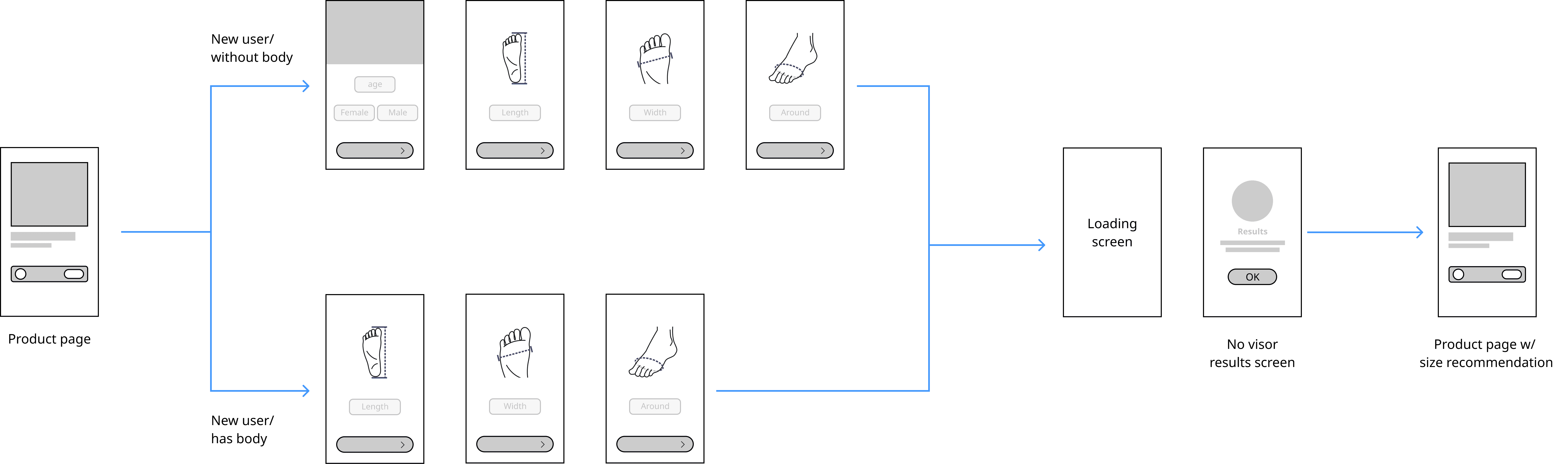
    With these insights in hand, I mapped the user flow to define how shoppers would move through the experience—from choosing a shoe type to receiving a personalized size recommendation.

Before & After

Guided by the research insights, I mapped a streamlined user flow that would help shoppers move confidently from shoe selection to personalized size recommendation. The flow introduced two critical decision points: selecting the shoe type (e.g., sneakers, sandals, boots) and choosing the brand, both of which directly influence sizing accuracy. This ensured the experience reflected real-world shopping behavior, where fit varies heavily by style and manufacturer.

The new flow not only gave users clearer guidance but also made the system smart enough to adapt recommendations based on the unique characteristics of each shoe type and brand, resulting in a more intuitive and accurate fitting experience.

Feedback & Response from Users and Clients

Quantitative Results

  • Achieved a 4.7% widget click rate for the new shoe experience, driving a 3.4% increase in comparison usage with Virtusize (vs. 1.2% baseline) and delivering a 1.8% overall uplift.

Qualitative Results

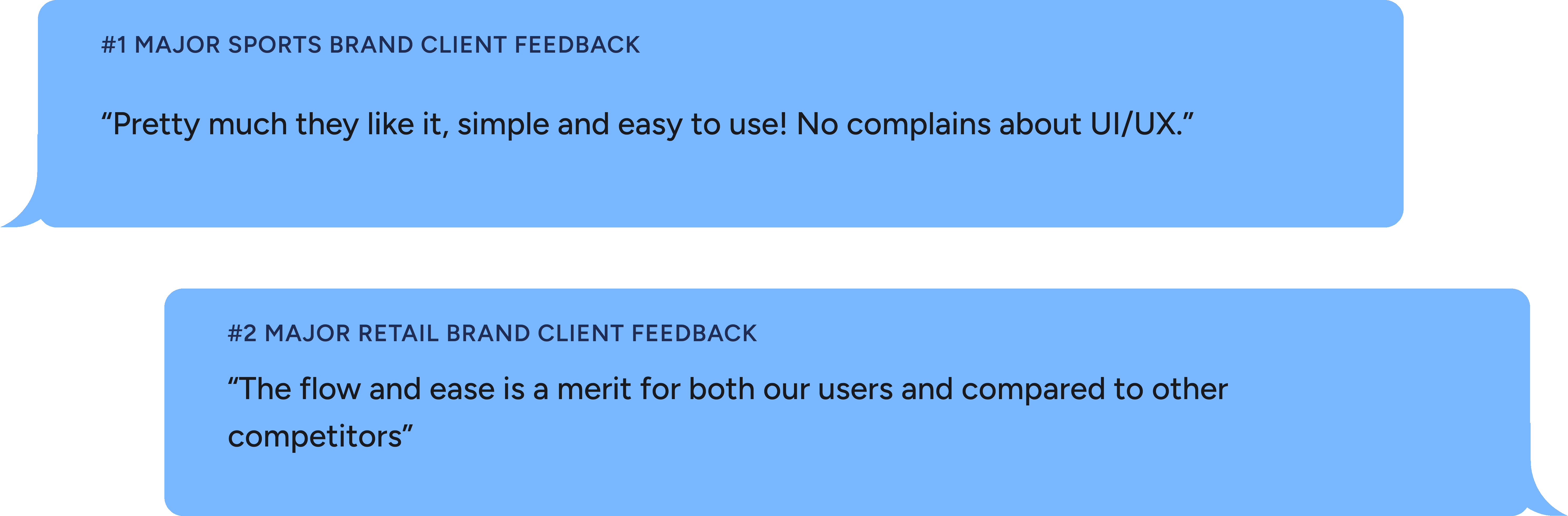
  • Received good results from numerous clients on the new implementation of the update.

KPIs Met

From this project, I have met the following KPIs:

  • Shipping 20+ client implementations across mobile and desktop

  • Interviewing 35+ users through mixed-method research

  • Achieving a 4.7% widget click-through rate across categories

  • Driving an 80% insight adoption rate

Next Steps

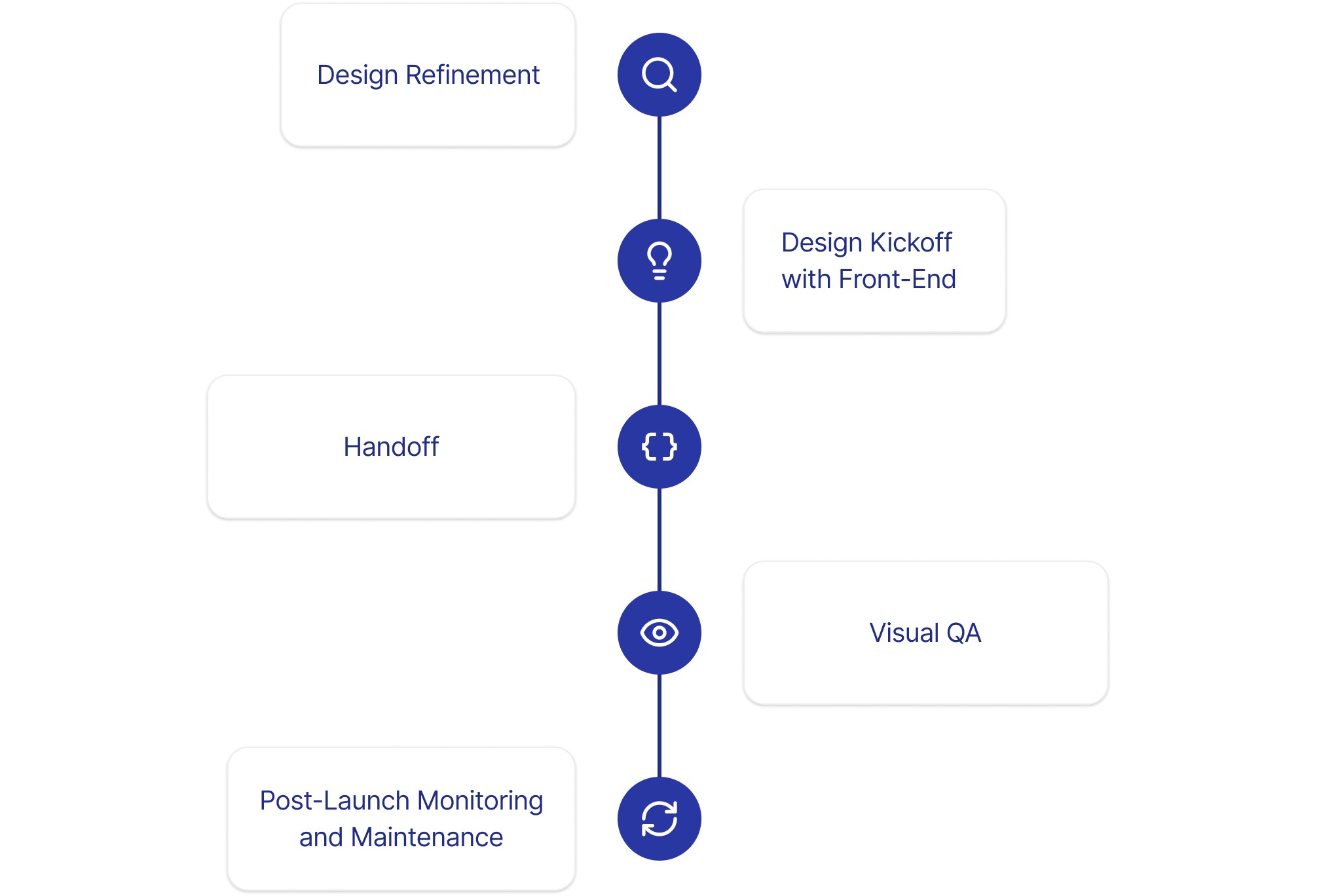
Following these steps the next steps from the design process to dev handover:

Other Key Contributions - Client Mockups

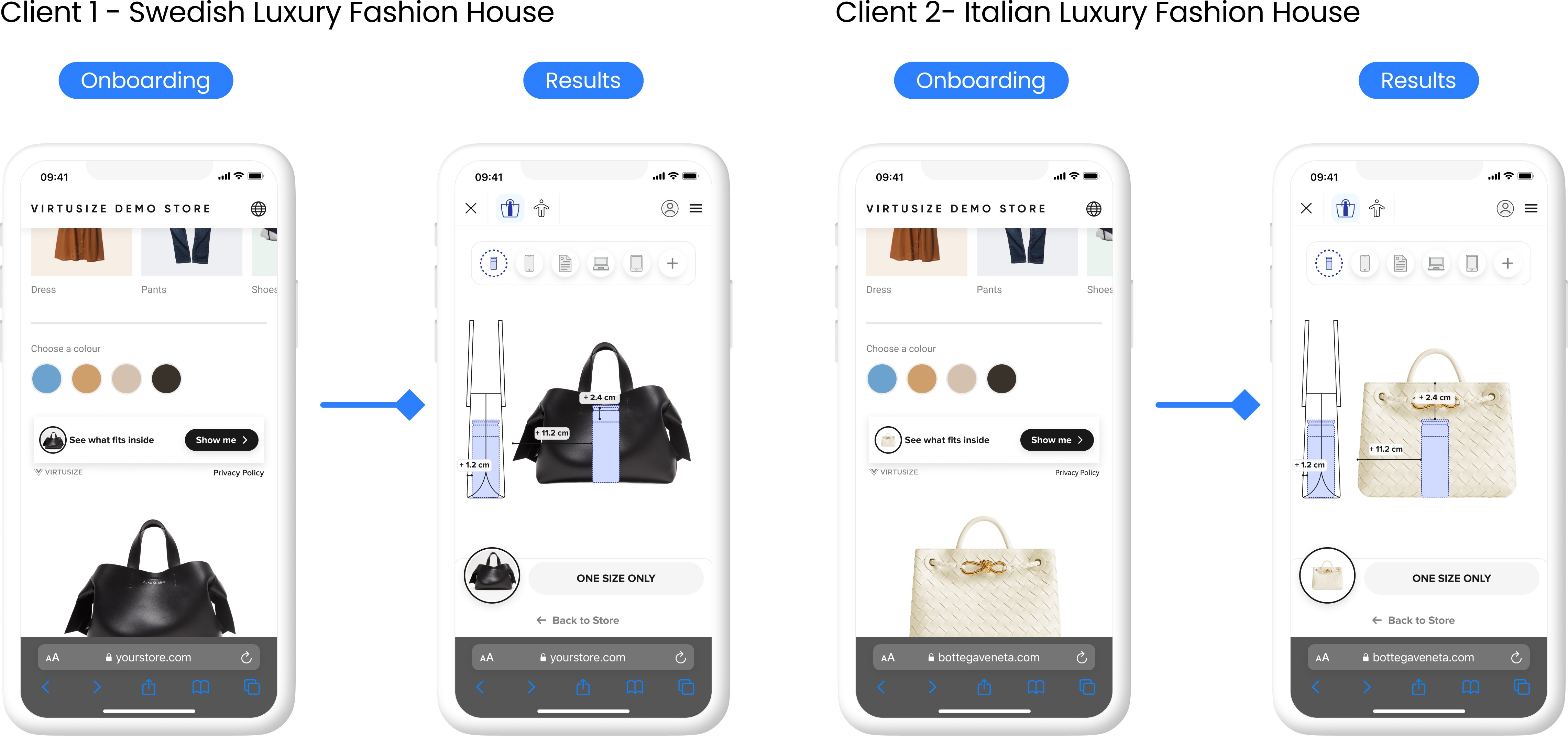
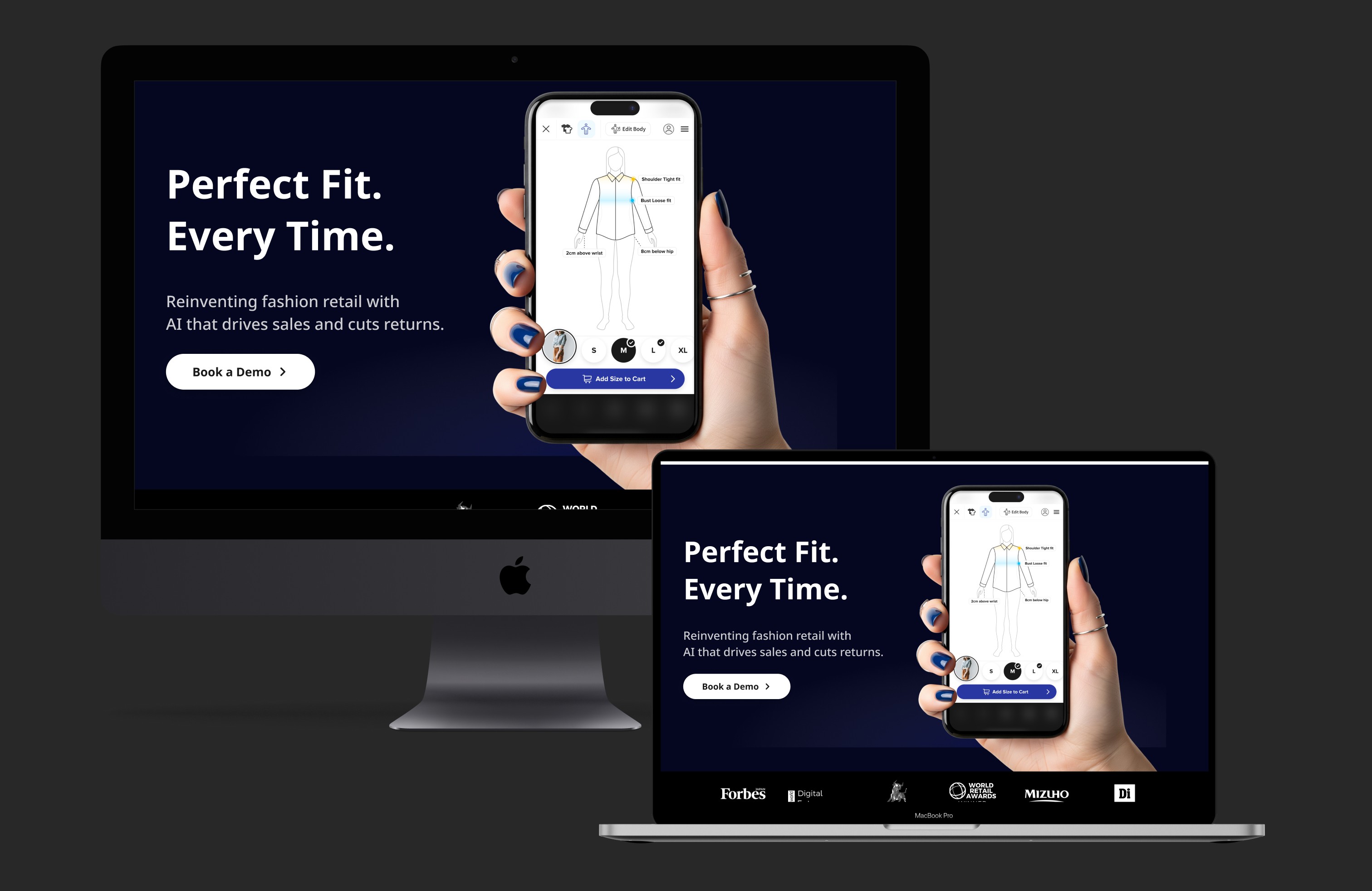
Alongside these KPIs, I applied the same user-centered design process to support client-facing initiatives. I created custom mockups of Virtusize on client websites and mobile apps each tailored to match their brand identity and demonstrate seamless integration. These mockups became key sales assets, helping teams communicate product value clearly and effectively.

This work contributed to new client leads, upselling advanced features, and ultimately securing a tier-1 luxury global client, while strengthening adoption across both international and local brands.

Mockups

Key Learnings

Closing the Skill Gaps

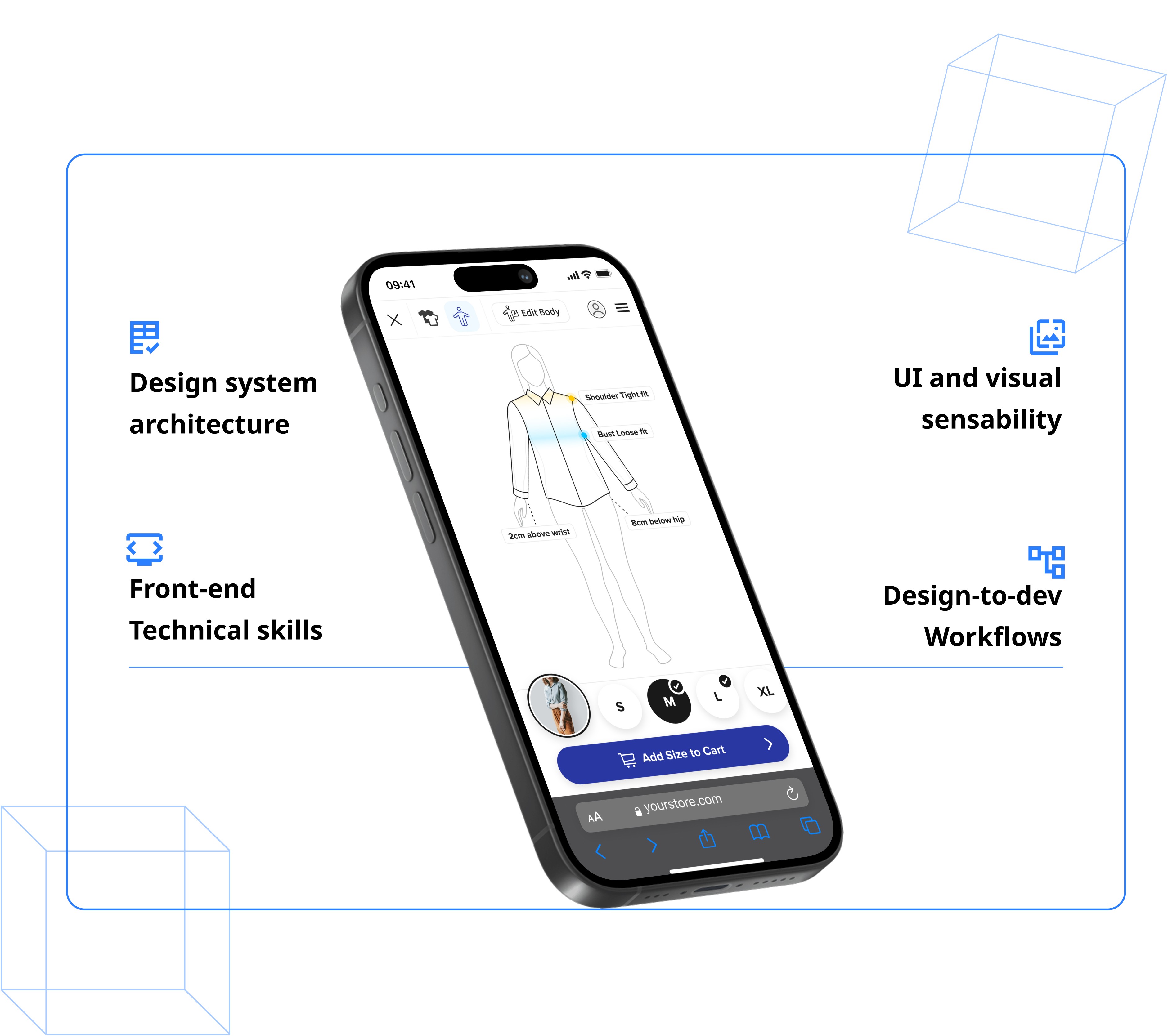
Through this project, I realized I had gaps in design system architecture, UI polish, and technical collaboration with developers. To close these gaps, I’ve been actively building new competencies: creating a mobile app and design system from scratch (featured in my case study), redesigning the company’s website by and learning front-end web development to better understand engineering constraints. These projects have significantly improved my UI quality, component thinking, and ability to bridge design-to-dev workflows.

Create a free website with Framer, the website builder loved by startups, designers and agencies.